
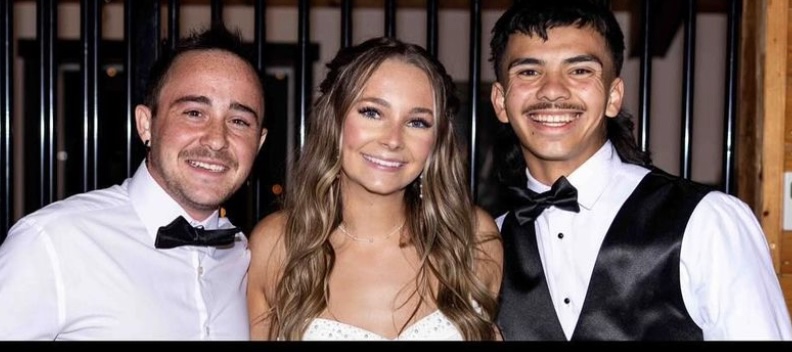
Anthony and Kinsley’s Reception, and DJ JJ’s 100th Wedding
Image Gallery

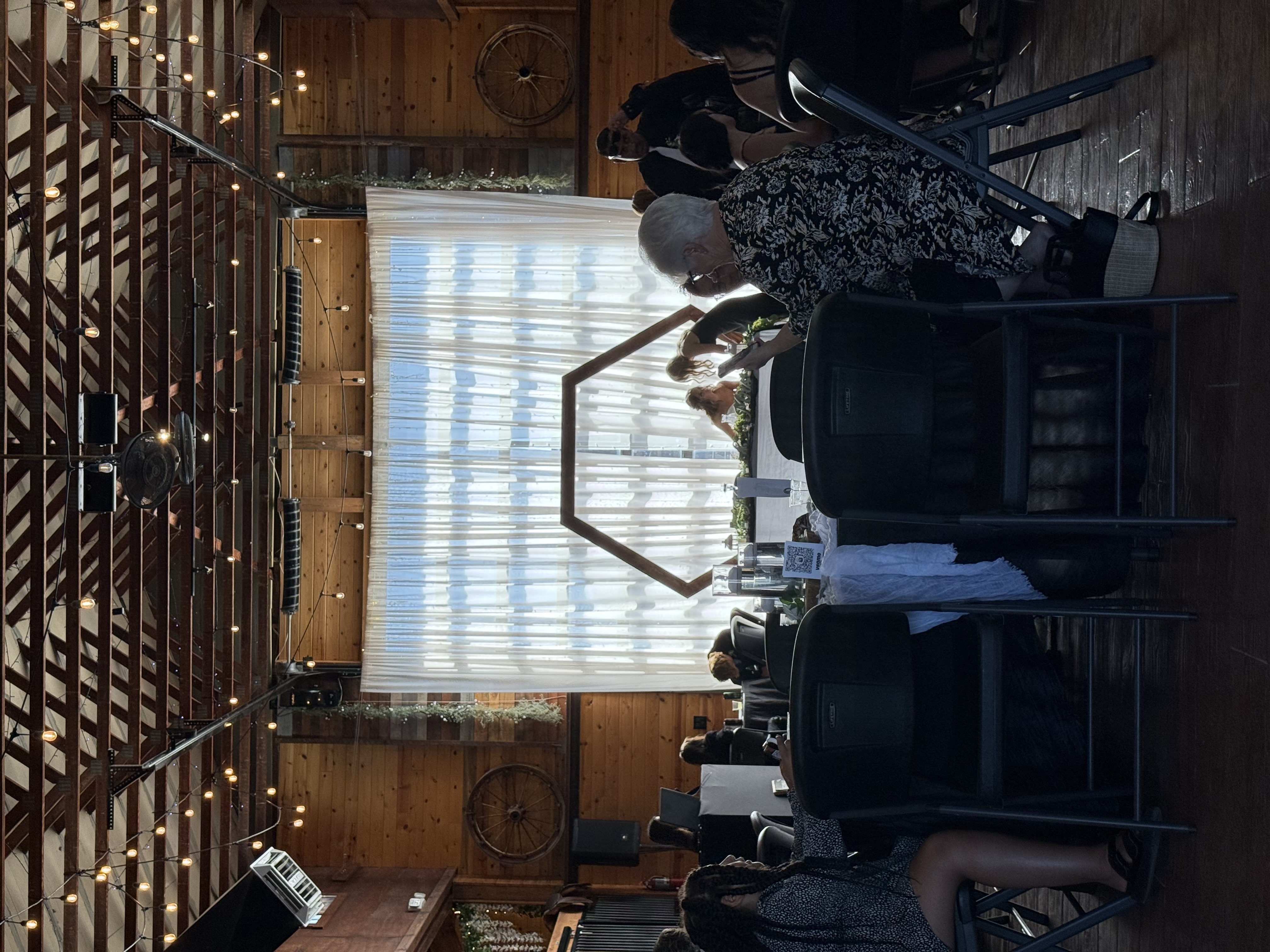
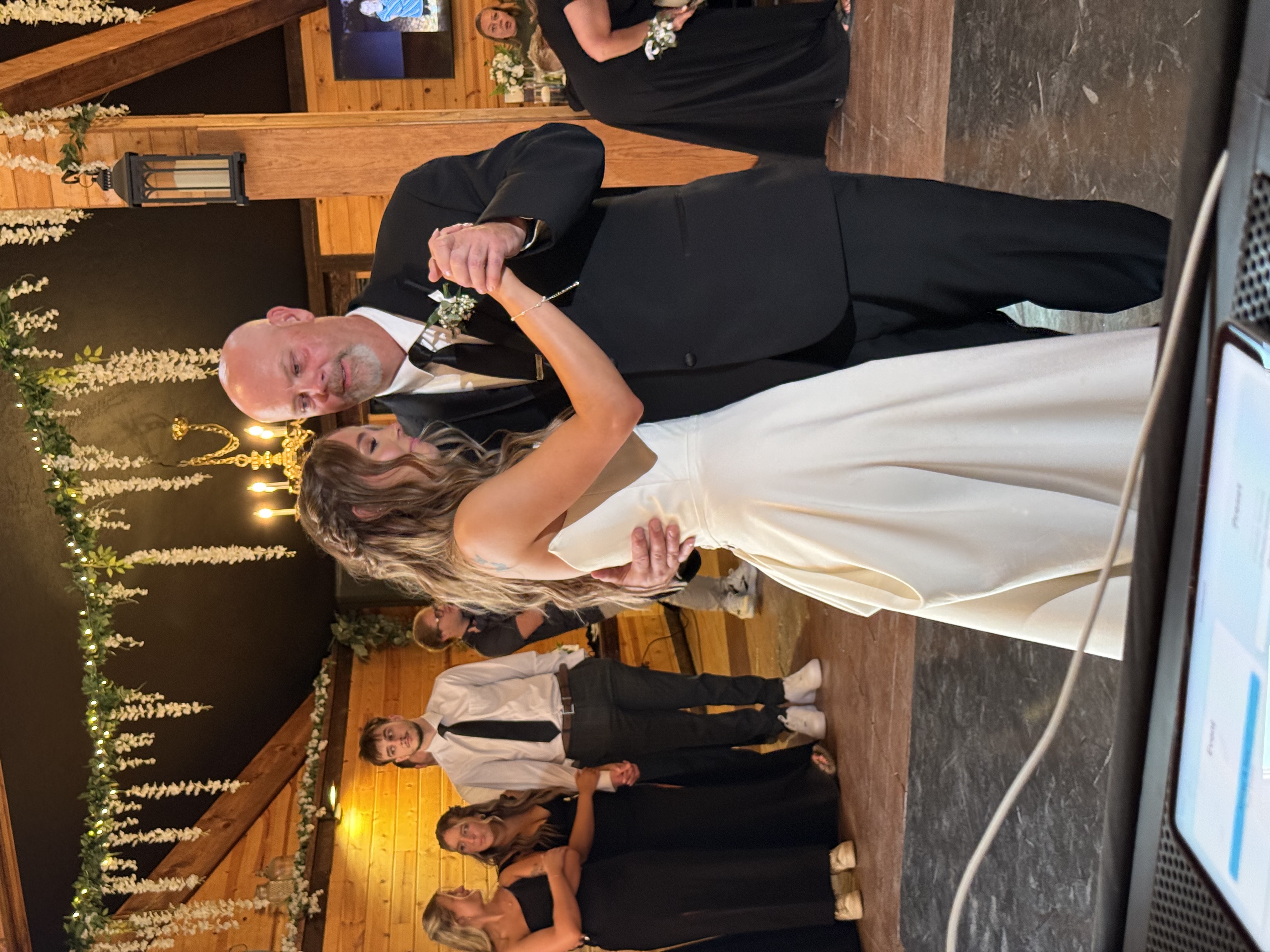
Start your wedding entertainment timeline with the moments that need everyone’s attention, then work out when the photo booth and dance floor can run together. Guests can take a picture with family or start dancing without feeling pulled away from the couple. A few clear cues, shared with the DJ, photo booth team, and the people managing the day, do more for the flow than a minute-by-minute schedule nobody can change.
Anthony and Kinsley married on September 25, 2024, at Country Weddings and Events in Hooper, Utah. Our team, then working as Flipside Fun, provided DJ and photo booth services. It was DJ JJ’s 100th wedding. He handled music from the ceremony through the reception, and the playlist was shaped around the couple and their guests. Once the formal moments were finished, the dance floor filled quickly, while the booth gave guests another way to spend time together. Here’s what other couples can take from that day.
Decide which ceremony cues are fixed
Start by naming the pieces that have to happen in a particular order: the processional, the vows, and the moment the couple walks back out. Confirm the version of each track, who signals that the next entrance is ready, and whether the music should continue while the last person reaches their spot. A video link or song title can point to several versions. The exact recording may be especially important when a lyric or instrumental section means something to the couple.
At the venue, read a line of natural speech through the ceremony mic and listen from the rear seats. A mic can sound clear at the front but be hard to follow farther back. If the officiant, the couple, or other readers need to share microphones, let the DJ and those speakers know what the handoff looks like. Have the person who cues the processional stand in a place where the DJ can actually see them. Those checks support the quietest parts of a wedding, which are often the ones guests came to hear.
Turn the ceremony-to-reception gap into a useful buffer
Decide what guests should do while the couple and their families are taking pictures or the next room is getting settled. The plan might be as simple as a short announcement telling people where to go, followed by music they can talk over. The DJ doesn’t need to fill that gap with commentary. They need to know whether to keep guests where they are or send them to the next area, and who is allowed to make that call.
Think through what happens if portraits take longer than expected. Put a buffer near a portion of the day that can absorb it, such as informal visiting time, instead of shortening something you really care about. Make sure at least one person can tell the DJ, photographer, and catering team about the change. Otherwise a vendor may be moving forward from the old timeline while somebody else is still waiting for the couple. That handoff matters more than printing a schedule with exact times for every song.
Plan which moments the booth should stay quiet for
A photo booth earns its spot by letting people make their own memories. At Anthony and Kinsley’s reception, it offered an activity for those who wanted pictures with friends and family rather than going straight onto the dance floor. For your own wedding, think about when you want it open and which events deserve a pause. An entrance, a first dance, or a toast can draw attention away from a booth that’s still calling people up. Pause new groups if the booth will interrupt, or keep it quietly open if it’s out of sight and won’t distract.
Before deciding, stand where the camera and backdrop will go and trace where the waiting group will be. Look at the angle from the tables and the area the photographer needs to cover. A line that misses the dance floor but blocks the couple’s route in is still a problem. Keep a place for guests to check their photos or regroup without stopping the next group entering. If you want a guestbook or printed photos, leave room for that extra step and confirm what is included in your particular booth setup.
A sample five-cue reception handoff
This is an example for planning, not a reconstruction of Anthony and Kinsley’s timeline. Use it to decide which details can stay flexible and which signals everyone needs to recognize:
- Before doors open: The planner checks the entrances, the DJ confirms the mic and music, and the booth team confirms where guests will line up.
- A few minutes before introductions: One person verifies that the couple, photographer, and anyone being announced are in place. The person calling the entrance gives the DJ the signal.
- During a toast or formal dance: Keep competing announcements quiet. Let a booth group finish before the moment starts if it won’t cause a delay, and wait to invite the next group until it’s over.
- As open dancing starts: Give the room a simple way to join. Put on a track that fits the couple and their guests, and keep the booth available for people who still want a picture or a conversation.
- Near the end: Confirm whether the couple wants a planned last song, a photo, or an announcement. Check who will cue it if the night is running a few minutes behind.
What the 100th wedding adds to the planning conversation
The milestone belongs to DJ JJ, but a couple gets more from asking what experience changes about their own day. Ask how the DJ prepares for a late entrance, who has the final say on timing, and how a switch from formal moments to open dancing will feel. Use the answers to decide whether you have enough information in your planning notes. A DJ who knows the important cues and the people responsible for them can spend more time listening to the room when the rest is free to move.
Do I need to book the DJ and photo booth together?
No. Book the setup your plans call for. If you’re using both, make sure that both teams see the same venue layout and the current timeline, whether or not they share a vendor. If you’re planning a wedding in Hooper or elsewhere in Utah, tell Grid City Events your date, venue, and event priorities so we can talk about what the ceremony and reception actually need.
Related: wedding DJ and MC coverage.