
Planning the Family Zone at Charleston’s Pioneer Day Festival
Image Gallery
Plan a festival family zone around the way people actually arrive: signpost access before the line, give caregivers a clear place to wait, and separate the inflatables and photo booth so one queue doesn’t block the other.
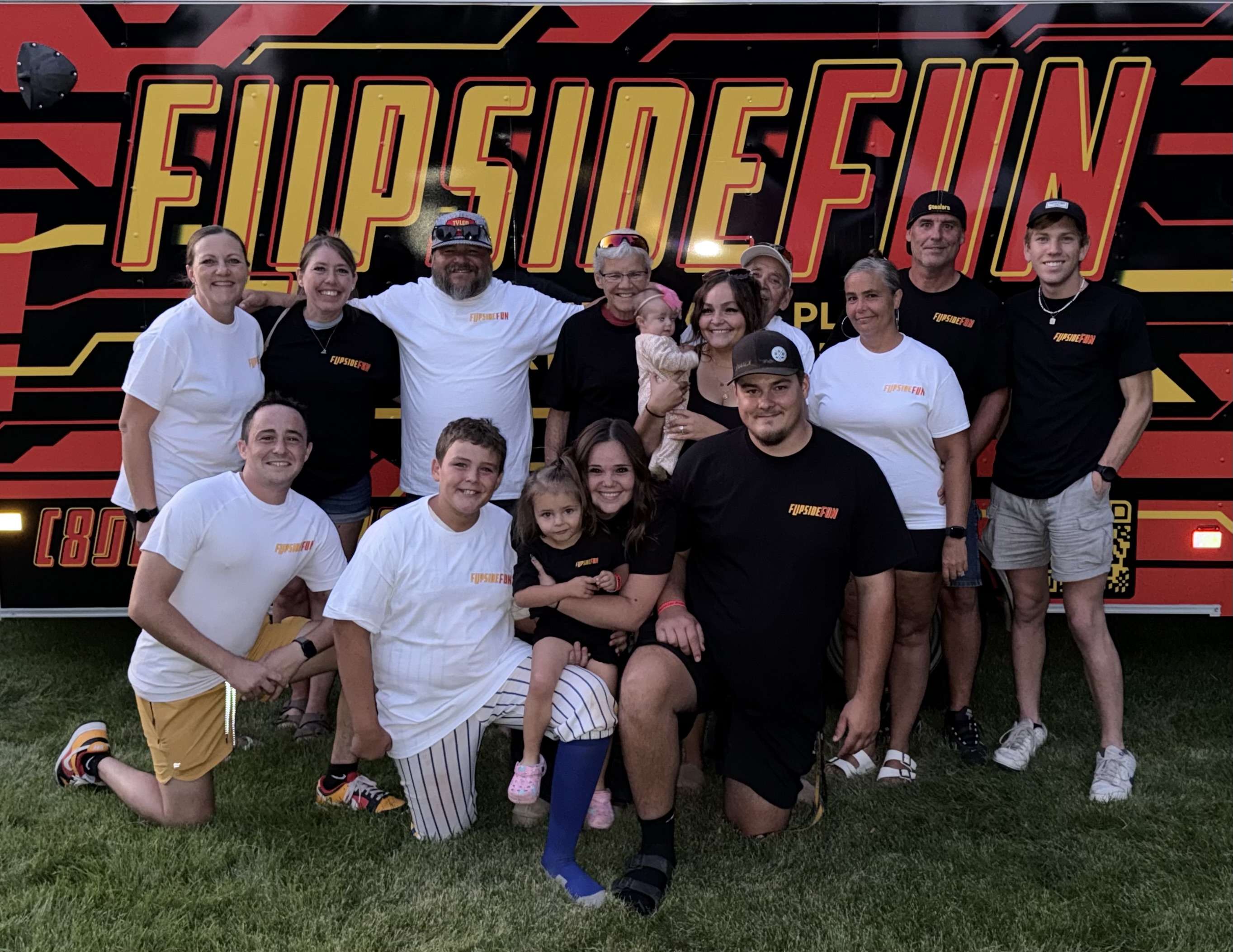
Charleston’s July 2025 Pioneer Day festival in Utah ran from morning activities to evening fireworks. During the day, families could move among food trucks, vendors, music and activities. Our team, working as Flipside Fun, supplied and operated the inflatable area, handled wristbands and ran a photo booth. The town event had a much bigger program. Our part offers a useful example of how to give families a clear path through one busy zone without disrupting the rest of the grounds.
Draw the path as four separate stops
On a site plan, mark where people learn the rules, where they get a wristband, where kids enter and where they exit. Those four stops can sit close together. They still need to be easy to spot, especially for a family arriving while others are already in line. If the person answering questions is also checking bands, give people a place to step aside so a question doesn’t hold up everyone behind them.
Walk the route with two people before deciding where the first sign should go. Send one person through as a new arrival and another to the exit as a caregiver. Can the second person tell where to meet their child without stepping into the entry line? Will a stroller have a place to wait without narrowing the main path? The paper plan can make a space look bigger than it feels once several groups have stopped to look for directions.
Start with the town schedule, then size the zone for a rush
Charleston’s wider program began with a run and community breakfast, then included food trucks, vendors, live bands and other daytime activities. The evening brought fireworks. Those activities were part of the town’s celebration; our role was limited to the staffed inflatable zone and wristbands, plus the photo booth. Knowing when the rest of an event changes still matters to the person running one zone. A breakfast crowd may move all at once or a larger-than-expected group can arrive from another activity without warning.
Highlight on the organizer’s schedule the times when more families are likely to show up, then tell the person staffing the entry how to request help. Consider who can answer questions without handling access at the same time. For a water slide, ask the provider and organizer to agree where wet guests exit and which part of the walkway should stay clear. Put the answer on the same map as wristbands and booth traffic instead of handling each attraction in isolation.
Walk through one realistic line problem before opening
Imagine two families arrive together. One already has wristbands, one needs to buy them, and a caregiver from another group is waiting for a child to come out. If they all stop directly in front of the entrance to ask where to go, the layout isn’t doing enough of the work. Move the sign where both arriving groups can see it, place the access check downstream of the wristband point and show the caregiver a waiting spot near the exit without merging it into the queue. This is a planning example, not a description of the Charleston layout.
Agree on which staff member notices when the queue reaches a path that can’t be blocked. Give them a temporary overflow spot, subject to the venue’s approved plan, and a sentence for guests: “The line starts at that sign; please keep this path open.” Tell organizers how to reach the zone lead without needing to walk the grounds. Keep the provider’s own operating and closure instructions in place rather than making up a capacity or weather rule on the spot.
Use one closing plan for the wristband desk and the photo booth
Different activities may close at different times. Give the organizer a short written schedule with the last time to get a band, the plan for families already waiting and the booth’s last session. Ask which information belongs on signs and what the organizer can repeat over the festival’s own communication channels. Make sure the wording doesn’t promise a turn under conditions the attendants can’t control.
Try one final walk just before closing. Leave the main route to the evening gathering open, and tell any waiting family clearly where the exit and collection point are. At a festival that runs from breakfast to fireworks, a calm handoff between daytime activity and the evening program matters more than squeezing another stop into the schedule.
Agree on who can pause the area
At Charleston, operating the inflatables meant more than dropping off equipment. Attendants were in the area, wristbands were checked, and the team managed access and answered questions. For your own festival, agree on who decides when an attraction pauses, how that gets communicated and what staff should say to people already in line. Keep the operating requirements with the provider and follow the venue’s approved event plan. A separate organizer contact can handle any site-wide decision so attendants aren’t left to interpret it on their own.
Think ahead to common interruptions. A brief closure, a line that extends beyond its planned area and a change to closing time all require a different response. Put a name next to each decision. For example, one person can redirect people who have not yet bought a wristband while another lets those already waiting know what is changing.
Give the photo booth a different place in the flow
A photo booth can be a lower-pressure stop for family members who aren’t headed into the inflatables. It also has its own queue. Mark a place where a group can decide whether to take a picture without standing in the way of people trying to exit the attraction area. If you’re mapping the festival for first-time visitors, list the booth and the inflatable entry as different destinations rather than pointing both arrows at the same spot.
Work backwards from the evening program
When the program ends with fireworks, families will gradually shift from daytime activities to wherever they plan to watch. Decide when you’ll close the wristband station, what you’ll do about a remaining line and when you’ll tell families. Give staff a short, consistent closing message. The organizer should be able to pass along a new plan if the timing changes, and the event team should leave clear paths for people heading out of the activity area.
Put these details on your site map
- Wristband point, entry, exit and where caregivers can wait.
- Photo booth and its queue, separate from the inflatable flow.
- Main paths that need to stay open and a place for guests to step aside.
- The contact for activity changes and the time each daytime queue closes.
Planning a town festival or community event? Tell Grid City Events what you’re considering, including the activities, schedule and available space. A sketch of the guest paths is enough to start the conversation.
Related: festival planning and entertainment.