
How to Keep a Festival Program Audible at Lagerpalooza
Image Gallery
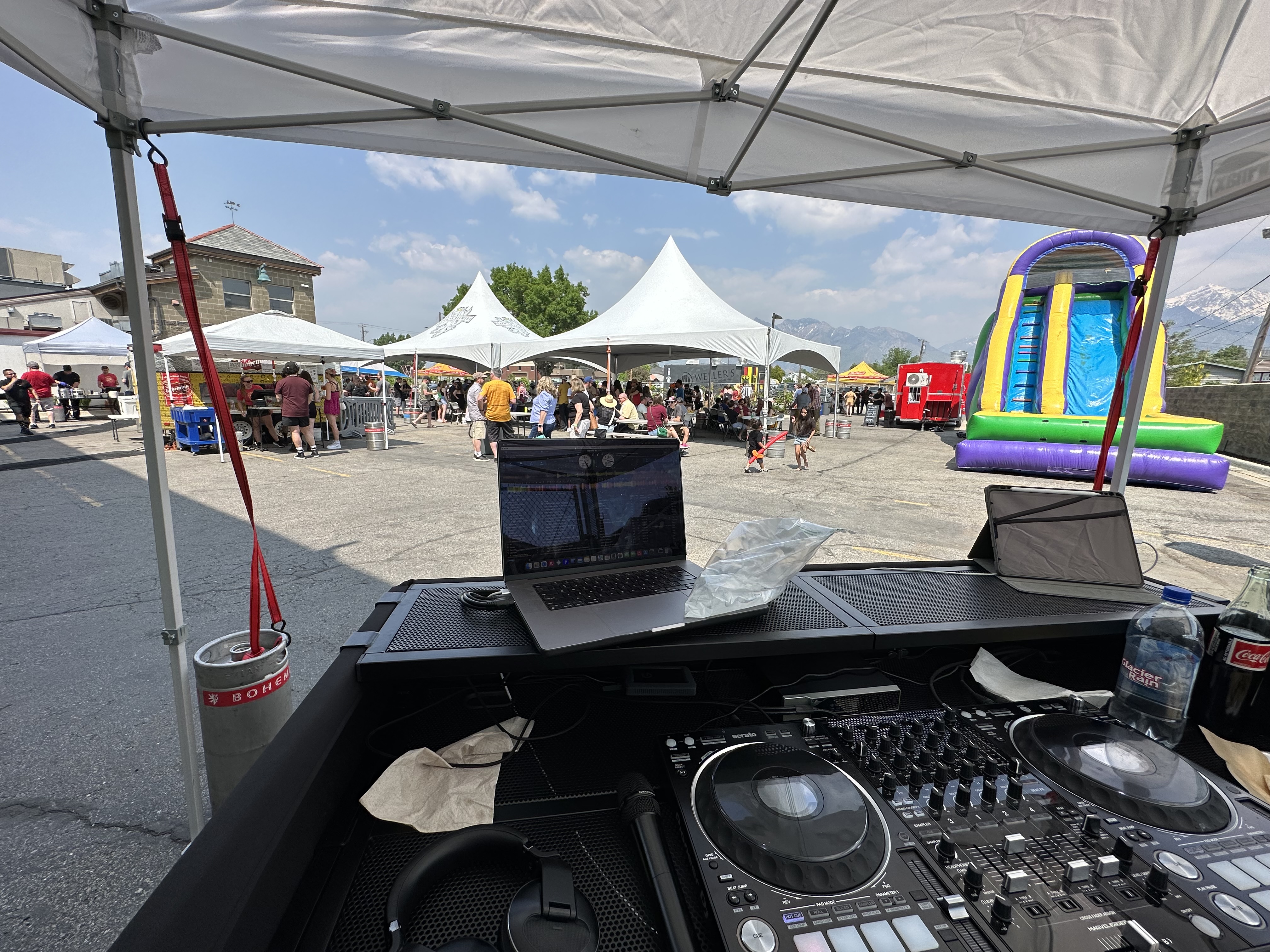
At the 2023 Lagerpalooza at Bohemian Brewery in Midvale, Utah, guests didn’t stay in one room or follow one program from a seat. They moved between food trucks, brewery stations, demonstrations and competitions. DJ Jason Lovato provided music and announcements under Flipside Fun, including support for the homebrew awards. The job was to maintain a festival atmosphere while making sure an update could reach people who were in the middle of doing something else.
Give each announcement one job
Decide what guests need to do before writing what you want to say. If an activity is starting, lead with what it is, where to go and when. For example: “Homebrew awards start in five minutes at the main stage.” Say the location the way a first-time attendee would recognize it. “By the east entrance” is useful when the entrance is labeled. An internal site-map nickname is not.
Write sponsor mentions and background as separate notes whenever the schedule allows. That makes it easier to cut a long message without losing the thing guests need to do next. If one announcement covers two events happening at the same time, give each its own sentence and repeat the nearest location or clearest landmark. People who hear only the end should still know where to go.
Route changes through one person
A printed program is a useful guide, but someone on the ground needs to tell the MC when it is no longer accurate. Choose one person who can confirm a new start time, check the right location and approve the words before they go over the speakers. Give each activity lead a way to reach that person. Without a clear handoff, one volunteer may ask for a five-minute call just as another says the judges still aren’t ready.
For a ceremony such as the homebrew awards, hand over a short, separate cue sheet. Include the order of recognition, the names to check and who will physically bring the next person up. If the order changes, update the cue sheet and alert the MC rather than asking them to reconcile two different versions over music or crowd noise.
Decide which messages need the main speakers
The Lagerpalooza program ran from noon to 7 p.m. and included competitions and demonstrations alongside food and brewery stations. A long day like that benefits from sorting updates in advance. A call for the homebrew awards serves people across the grounds; instructions to contestants waiting to be judged may only matter beside the competition table. Sending both over every speaker makes it harder for guests to tell what applies to them.
Use the public speakers for moments with a broad audience, and give volunteers a way to handle local reminders directly. If some guests will be arriving just as a program begins, mirror the time and place on a sign or schedule so someone who misses the PA message can still find it. Pick visible landmarks before writing the copy. Put those same names on the site map and give them to anyone answering questions at check-in.
Build an announcement log you can run while the festival is moving
Use one sheet that the organizer and emcee can both read. For each message, capture the earliest time it should go out, who confirms it, the audience and zone, the approved wording, and whether it was delivered. Mark sentences that must be read accurately, such as a winner’s name or a qualified sponsor acknowledgment. Keep a separate place for the coordinator to confirm anything that has changed.
Sample sequence, not the Lagerpalooza script: At 5:50, only deliver a five-minute awards reminder if the awards lead has confirmed the lineup and location. If the lead hasn’t checked in, leave music running and ask the coordinator for an update. At the start, switch to the program microphone only after the first presenter is ready. After the final thank-you, hand back to music and mark the awards sequence complete. A simple checkmark in the log helps prevent an old reminder being read again when shifts change.
For competing requests, make the priority clear before doors open: essential organizer-directed instructions first, program reminders second, then sponsor and general information at agreed breaks. Pre-write short fallback versions for predictable changes such as a delayed start, but don’t speculate about a new time until it’s confirmed. Any urgent public instruction should come from the event’s designated lead rather than being improvised by the person holding the microphone.
Check the message away from the booth
Have someone listen from where guests will really be. A good test is a short sentence at normal speaking pace, with the words “where” and “when” both in it. Ask the listener to repeat the details, not just whether it sounded loud. Walk to the edge of the activity area and pause near a spot where people will be ordering food or talking. If people there cannot make out the sentence, change speaker placement or the size of the area you expect one announcement to cover before resorting to more volume.
Make room for quieter pockets as well. At a festival, music fills transitions, but vendors still need to talk with guests and other activities may have audio of their own. You can lower the music briefly for announcements and restore it after the message. That’s easier to follow than hearing someone try to talk over a track.
Put the plan on one page before event day
- Mark the activity zones and the names guests will see on signs.
- List the call time, location and person responsible for confirming each major activity.
- Set a cue for the awards and a backup message if they are delayed.
- Agree which announcements need to reach the whole event and which are better handled locally.
What if people can hear music but miss the words?
Test with the same kind of microphone, speaking position and background level you’ll have during the program. Music carrying across a crowd doesn’t prove an announcement will be understandable. Agree on a hand signal to lower the music and bring up the microphone, then check again with a listener near the back or turning away from the source. If there’s a part of the site where a short message simply cannot reach reliably, assign a volunteer or a clearly marked information point there.
Before the first announcement, give activity leads the final version of the schedule and point out where changes go. A person running a tournament should not have to walk to the sound booth to resolve a five-minute delay. Keeping that one channel clear lets guests get the information they need without stopping the momentum of the day.
If you’re organizing a community festival in Midvale or elsewhere in Utah, share your site map and program with Grid City Events. Tell us which parts need music, which need clear speech and where the crowd will be at those moments. That gives the MC and sound team something concrete to plan around.
Related: festival sound and announcements.