
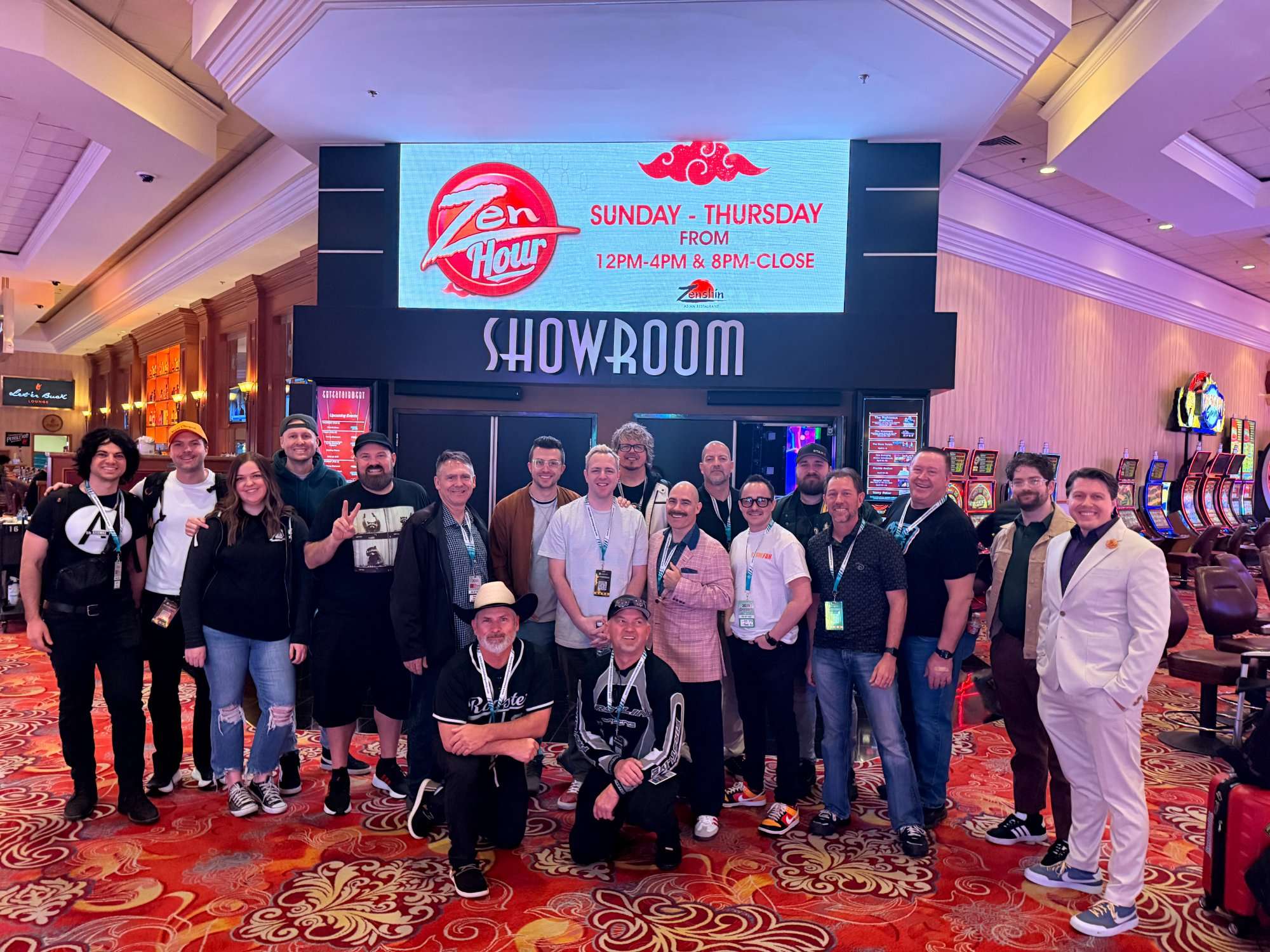
What Utah DJs Brought Home From Mobile Entertainment Expo 2026
Image Gallery
Mobile Entertainment Expo 2026 gave DJ JJ and fellow Utah DJs a chance to compare how they test gear, handle schedule changes and make it easier for guests to take part. The three-day Las Vegas event at South Point brought seminars and hands-on demos together, with Photo Booth Expo running alongside it. Our team attended as Flipside Fun. The useful takeaway for a working DJ or someone hiring one is what can be tested after the trip: whether the setup works in the room, whether someone new can use it, and whether the crew can adapt without leaving the host to sort things out.
Get past the demo before making an equipment decision
A good demonstration tells you what gear can do under the conditions the exhibitor set up. At home, you still have to get it through a loading door, set it up in time for a ceremony and operate it while someone walks up to ask about an announcement. When talking to manufacturers, ask them to show how a feature works from a cold start. Find out which adapters or setup steps it depends on, what remains usable if a connection drops and how quickly you can get sound back after switching to a backup.
Put the same question to the photo booth or lighting tools. If the floor display looks great, can the crew explain the controls to someone who has never used them? If the new feature involves a network connection, is there a way to keep the guest experience going while that connection is restored? The answers help a DJ decide whether a tool deserves a spot on an event plan, a rehearsal first or no change at all.
Write the test before you decide what to buy
The show floor brought sound brands such as QSC and RCF together with lighting demonstrations and software and photo booth exhibits. The advantage was being able to ask a specific question and watch what happened. If a new speaker configuration is supposed to make load-in easier, ask which parts one person must carry and how it gets placed safely. If booth software promises a shorter guest queue, try the exact path from taking a picture to finding the result. A vendor demo may be staffed by someone who knows where everything is. The first guest at a wedding may be reading the screen for the first time.
A simple test card can make different options easier to compare. On the first line, write the current problem, like “we spend too long confirming the booth layout after a move.” On the next line, note how you will tell if the new approach helped: “another operator can get the right layout open without a walkthrough.” Then run the same test on your current setup. If the change makes one step faster but creates a harder recovery step, it might only shift the problem. If a simpler checklist gets the same improvement, you may not need another purchase.
Trade ideas about the parts of an event guests don’t see
The Utah group could walk the exhibit floor and talk through what they’d seen together. A room full of peers can be particularly useful for comparing practical habits: what each person asks a client before a booking, how they confirm a walk-up microphone is ready or how they handle a change in who’s making announcements. Those conversations can uncover small problems a team has learned to work around without ever asking whether there’s a better way.
Take an emcee handoff as an example. It’s easy to plan for the speaker who shows up on time, takes the right mic and talks at a comfortable level. The practice worth doing is what happens when dinner runs late, the speaker asks to move to the other side of the room, or the planner only has a few seconds to signal the DJ. Rehearse one change at a time. Give the person who owns the cue a clear way to communicate it, and see whether someone who wasn’t in the planning conversation can follow what’s written.
Turn the travel notes into a rehearsal back home
Pick one audio question, one guest-experience question and one planning question from the trip. Give each a short test that looks like an actual event:
- Sound: Check a quiet spoken introduction from the back of a room before testing louder music.
- Guest experience: Have someone who hasn’t used the photo booth take a group photo and explain how they’d retrieve it.
- Planning: Walk through a delayed start and see whether the run sheet makes it obvious who can move the next cue.
Record what worked and what took longer than expected. If an idea doesn’t hold up during rehearsal, there’s still time to simplify it before using it for a client’s event. At Grid City Events, that’s the point of comparing notes with other working DJs. Better planning should show up in things the host can actually notice: guests who can hear the microphone, a booth they can use without a long explanation and a crew that knows who to ask when the schedule changes.
Use an event the team can picture as a practice scenario
Try a short rehearsal for a Utah reception with cocktails outside and dinner inside. Ask one person to act as the venue lead and another to watch the schedule. Simulate a delayed introduction, then send the DJ the message the way it would actually come through: a quick text, a hand signal, or a quiet word at the booth. Did the right person hear it? Did dinner music keep playing while they waited? Could a second team member tell which microphone should be ready? It’s less work to agree on those handoffs in practice than to explain them over a crowded dance floor.
Debrief by asking what guests would have noticed. If the timeline was clear to the crew but no one told guests dinner had moved inside, that’s the problem to fix. If the fix depended on the one operator who wrote the plan, make it easier for someone else to follow. Write a sentence you can reuse on the next event: “The coordinator confirms the transition with the DJ, then the DJ directs guests indoors.”
Does attending an expo tell you whether a DJ is a good fit?
Attendance by itself doesn’t tell you how someone will run your event. Ask them to walk through the trickiest transition on your schedule. An answer that explains where they’ll stand, who gives the cue and what guests will hear tells you what the DJ knows how to put into practice.
One question to ask when you’re booking a DJ
Ask how they would handle a change that’s realistic for your venue. It might be a ceremony moving outdoors, a speech moving earlier, or a booth needing to move away from a food line. A concrete answer can tell you more than an equipment list. If you’re weighing a layout for your own event, send Grid City Events the floor plan or timeline and tell us what you think is most likely to change.
Related: DJ and MC services.